


Biomass & Recycling
How the Wood Chip Market Affects the Wood-Processing Supply Chain
The wood chip market has an enormous impact on the wood-processing industry, particularly by shaping raw-material and product prices. When demand for wood chips rises, businesses can increase production, generate more revenue, and strengthen their competitiveness. Conversely, when exports or domestic demand weaken, businesses can face pressure from lower selling prices and inventory costs. Closely monitoring market fluctuations is therefore essential in this industry.
This article provides an overview of the wood chip market, its trends, challenges, and development opportunities, and how GREEN MECH wood chippers address current market demand.
MỤC LỤC
Wood Chip Market Overview
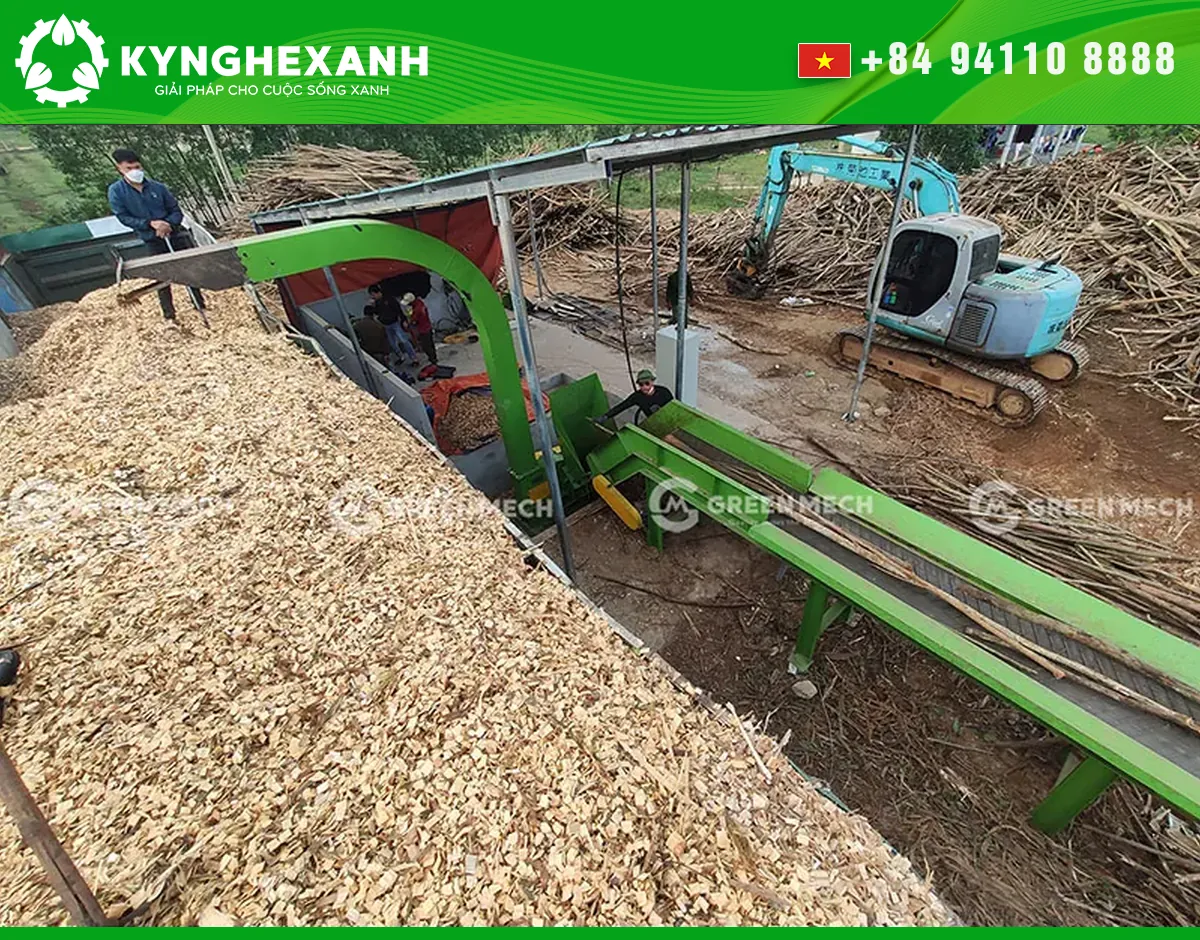
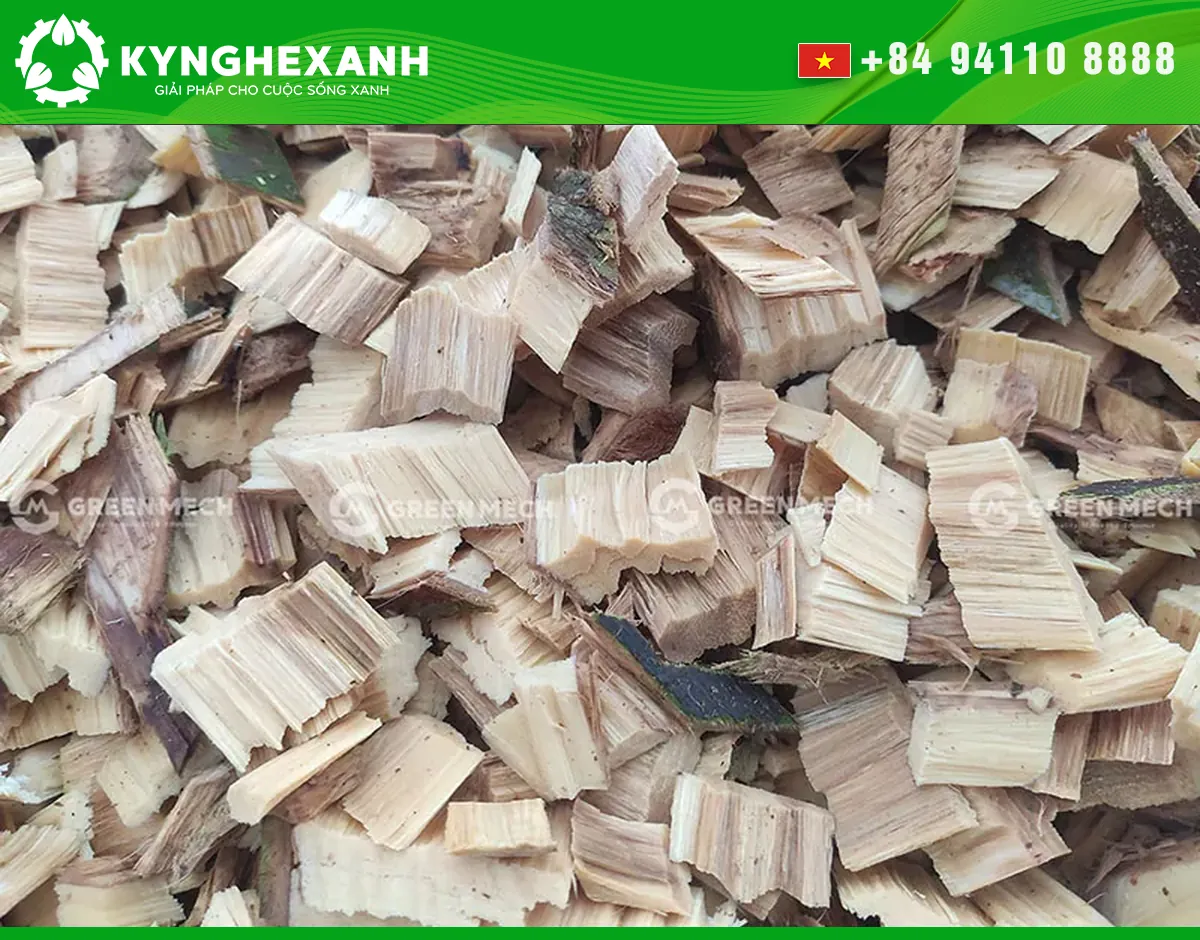
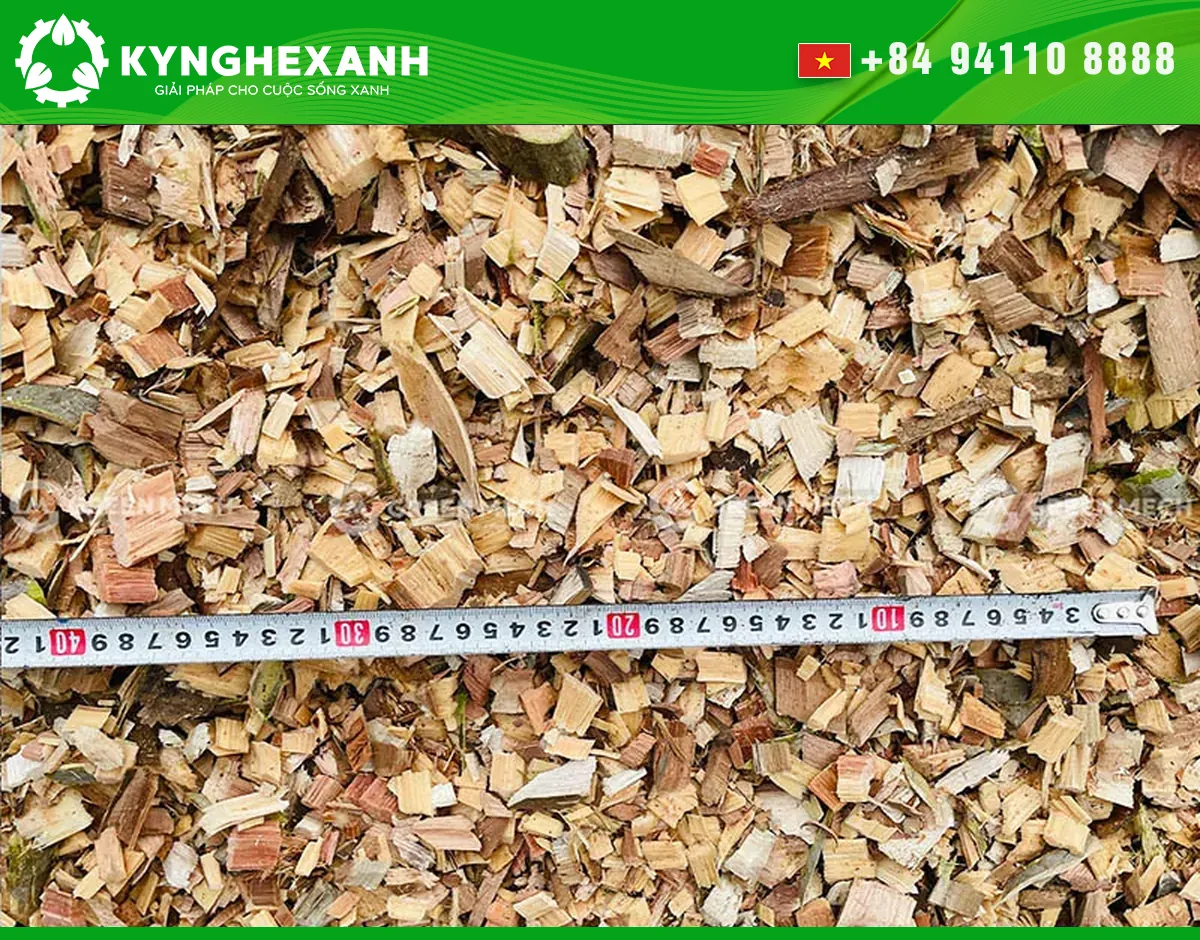
Wood chips are produced by chipping raw wood and are used mainly to make paper and plywood. The source identifies Vietnam, Brazil, and Australia as major producers supplying international markets, particularly China and Japan, which it describes as the world’s two largest consumers of wood chips.
In recent years, wood-chip output has grown rapidly because of strong demand from the paper industry and increased use of renewable resources across multiple sectors. The use of wood chips in bioenergy and construction-material production has also supported market expansion.
Market Size and Segmentation
Market Size
The global wood chip market is substantial and is forecast to continue growing in the coming years. According to estimates cited in the source, global wood-chip output is about 30 million metric tons per year, with most production coming from the Asia-Pacific region. Vietnam is described as one of the largest wood-chip exporters, accounting for approximately 30% of global export volume.
Demand for wood chips is rising strongly in Asian countries as their paper and packaging requirements increase. The source identifies China as the world’s largest wood-chip importer and lists Thailand, Australia, and Russia among the other major exporters.
Market Segmentation
The wood chip market can be divided into the following main segments:
- Product type: Hardwood and softwood chips. Hardwood is often preferred for high-quality paper, while softwood is common in packaging paper and engineered wood products.
- Geographic region: The market is concentrated mainly in Asia-Pacific, Europe, and North America, with countries such as Vietnam, Australia, and Thailand serving as major suppliers.
- Application: Wood chips are used mainly by the paper industry, but they also play a role in bioenergy and construction-material production.
Key Trends and Challenges in the Wood Chip Industry
Several prominent trends are shaping the wood chip market.
First, growing demand from the paper and packaging industries is driving market development. Both developed and developing countries are consuming more paper and packaging, making the market’s effects increasingly apparent throughout the global supply chain.
The bioenergy industry is also shaping the market as many countries shift toward renewable energy sources to reduce their dependence on fossil fuels. Increased use of wood chips for energy production has opened a potentially valuable market segment, helping businesses increase product value and competitiveness.
Finally, the adoption of modern processing technology has significantly improved production efficiency and product quality, helping producers respond to market demand. Market pressures encourage businesses to invest in technological innovation to optimize production and maintain a competitive advantage amid industry volatility.
Despite its potential, the wood chip market also faces major challenges:
Raw-material supply: Harvesting natural timber for wood-chip production is subject to increasingly strict environmental regulations, raising production costs and affecting supply.
Price volatility: Wood-chip prices can fluctuate sharply as international supply and demand change. Weather, import and export policies, and trade agreements can all affect product prices.
International competition: Wood-chip exporters such as Vietnam face intense competition from other major suppliers, including Brazil and Australia, which can reduce the competitiveness of Vietnamese wood chips in international markets.
How the Wood Chip Market Affects the Wood-Processing Supply Chain
An analysis of the global wood chip market shows that the industry has grown strongly in recent years. Reports cited by the source forecast that demand for wood chips will continue to increase, particularly in the Asia-Pacific region.
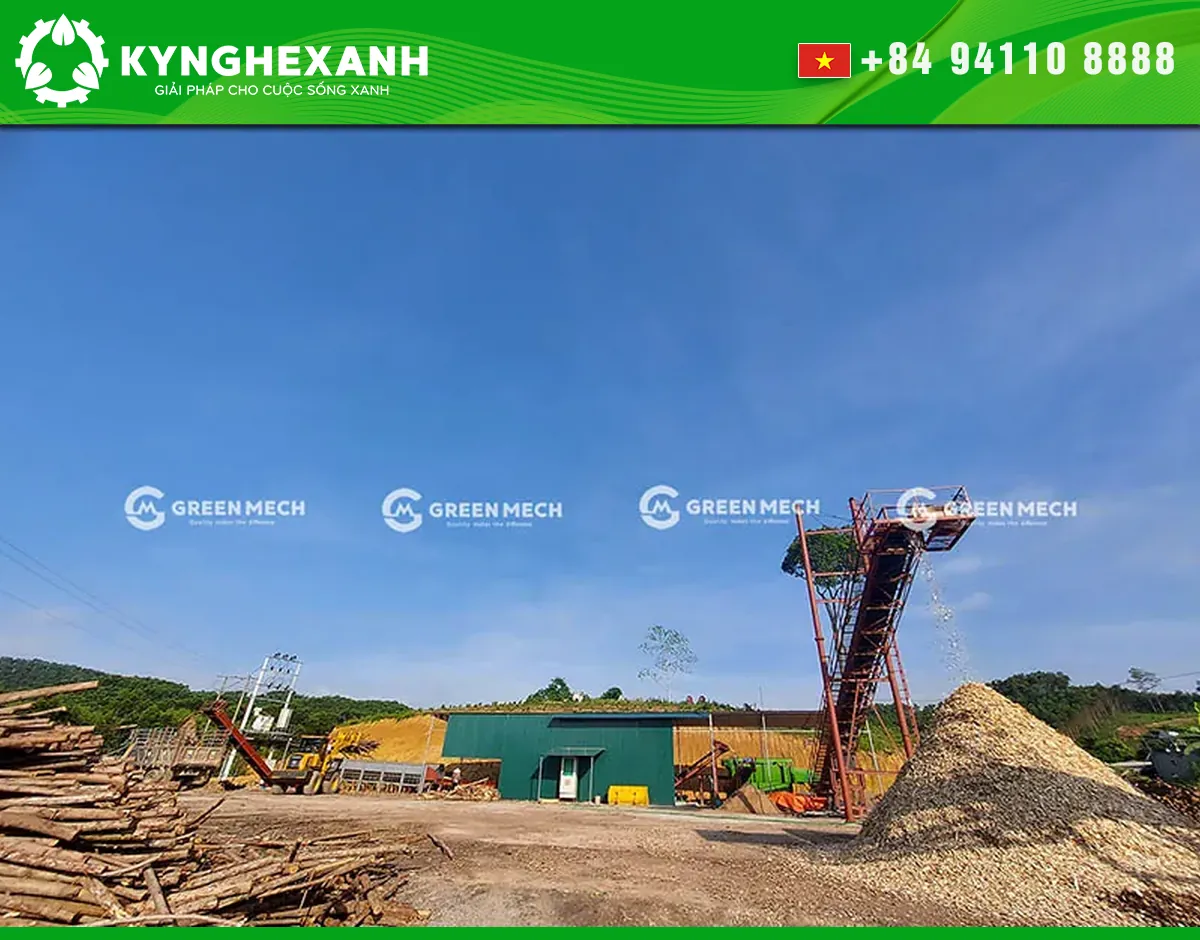
Supply: Wood-chip supply comes mainly from countries with substantial forest resources, including Vietnam, Brazil, Australia, and Russia. The source describes Vietnam as one of the leading wood-chip exporters, particularly to other Asian countries.
Demand: Demand for wood chips comes from several industries, primarily paper and plywood production. The source identifies China and Japan as the two countries with the greatest demand for wood chips used to produce pulp and MDF.
Effects on the Supply Chain
The wood chip market affects not only processing companies but also related sectors such as transportation, logistics, and paper production. As the market grows, demand for transporting and exporting wood chips also rises, creating opportunities for supporting industries.
Conversely, a market downturn can create excess supply, forcing producers to reduce capacity and face serious profitability challenges. Building a sustainable supply chain is important for responding to these fluctuations.
Factors Affecting the Wood Chip Market
- Global economic growth and rising consumer demand have increased demand for wood products, including wood chips. The market is strongly affected by economic factors such as exchange rates, transportation costs, and raw-material prices.
- Forest-protection and sustainable-development policies, particularly in wood-chip-exporting countries such as Vietnam, Brazil, and Australia, significantly affect raw-material availability and production costs. These regulations require businesses to comply with strict standards for environmental protection, sustainable harvesting, and reducing effects on natural forests.
- Fluctuations in raw-timber supply caused by weather, natural disasters, and geopolitical factors directly affect wood-chip prices and output. Businesses need a stable supply to maintain production and meet market demand.
- Advances in wood-processing technology, including automation and artificial intelligence, are helping improve production efficiency and reduce costs. New technologies also allow raw materials to be used more efficiently and waste to be reduced.
Using GREEN MECH Wood Chippers to Meet Current Market Demand
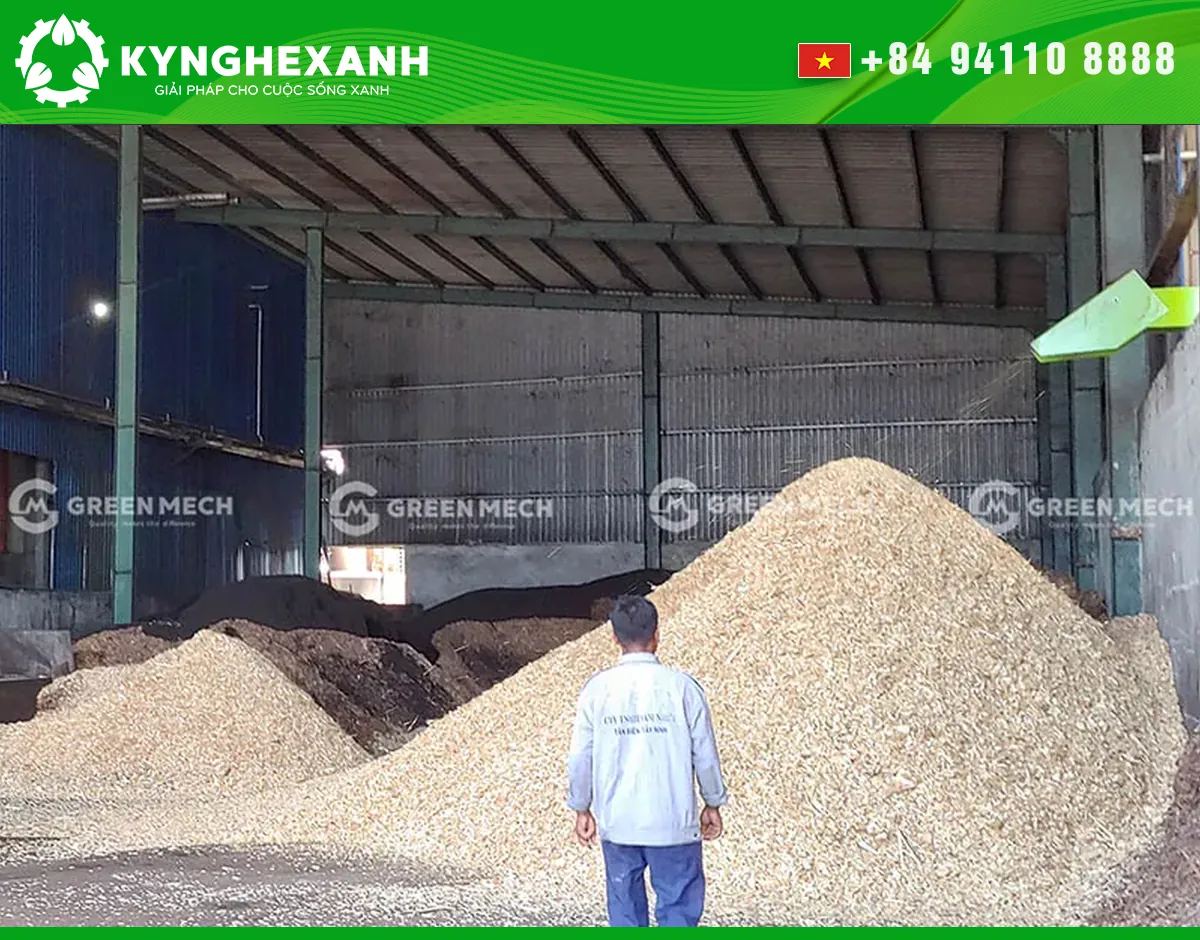
As the wood chip market develops, wood-processing businesses need to invest in technology to improve production efficiency. The source presents GREEN MECH wood chippers as a leading solution for current production needs. It describes the machines as using advanced technology to chip wood quickly and precisely while saving energy. Businesses comparing configurations can review the Wood chipper 5 Ton.
The source attributes the following advantages to GREEN MECH wood chippers:
- High performance: The machines can process many types of wood quickly and efficiently, helping businesses optimize production.
- Energy savings: Modern technology allows the machines to operate efficiently while using less energy, reducing production costs.
- Durability: The machines are made from high-quality materials for durability and a long service life, reducing maintenance costs.
- Ease of operation: GREEN MECH wood chippers are designed to be user-friendly and easy to operate and maintain.
Because of these features, the source describes GREEN MECH wood chippers as a leading choice for many wood-processing businesses. It states that modern technology can help businesses improve product quality and respond more effectively to demand in the global wood chip market.
Request Wood Chipper Advice and a Quote
For more than 15 years, GREEN MECH’s engineering team has focused on creative work and research to develop solutions for Vietnam’s wood-processing industry. Its work focuses on optimizing wood-chipping processes and supporting the sustainable development of the forestry sector.
The source presents GREEN MECH wood chippers as supporting wood recycling and processing while helping businesses operate efficiently and sustainably. GREEN MECH also supplies crushers, screens, presses, knife sharpeners, and wood chippers.
For detailed advice, visit kynghexanh.com.vn or call +84 94 110 8888. Equipment details can be confirmed during consultation.