


Drying Technology
How to make delicious sweet and tart soft dried apricots
Apricots are soft, juicy fruits with a delicious flavor that many people enjoy. In particular, soft-dried apricots, with their attractive color, distinctive flavor, and preserved nutritional value, have become a sought-after snack among young people. So how are soft-dried apricots produced, and what is their quality like? This guide explains how to make delicious sweet and tart soft dried apricots.
In this article, SUNSAY’s cold-dryer team shares the drying technology and production process used to make soft-dried apricots while retaining their color and nutrients and delivering high economic value.
MỤC LỤC
Introduction to apricots
Origin of apricots
The apricot is a fruit tree in the Prunus genus. It originated in southern China and was later introduced to Japan, Taiwan, South Korea, and Vietnam. Its scientific name is Prunus mume, and it is also known by several other Vietnamese names, including mơ mai, mơ ta, and East Asian apricot.
In Vietnam, apricots are widely grown in the Northwest and several northern provinces, particularly in Hanoi.
Nutritional value of soft-dried apricots
Apricots have a distinctive aroma and an appealing sweet-tart flavor, and they contain many useful nutrients. They contain carbohydrates, protein, and fiber, along with vitamins and minerals such as vitamins A, B6, C, E, and K, calcium, iron, magnesium, potassium, and phosphorus.
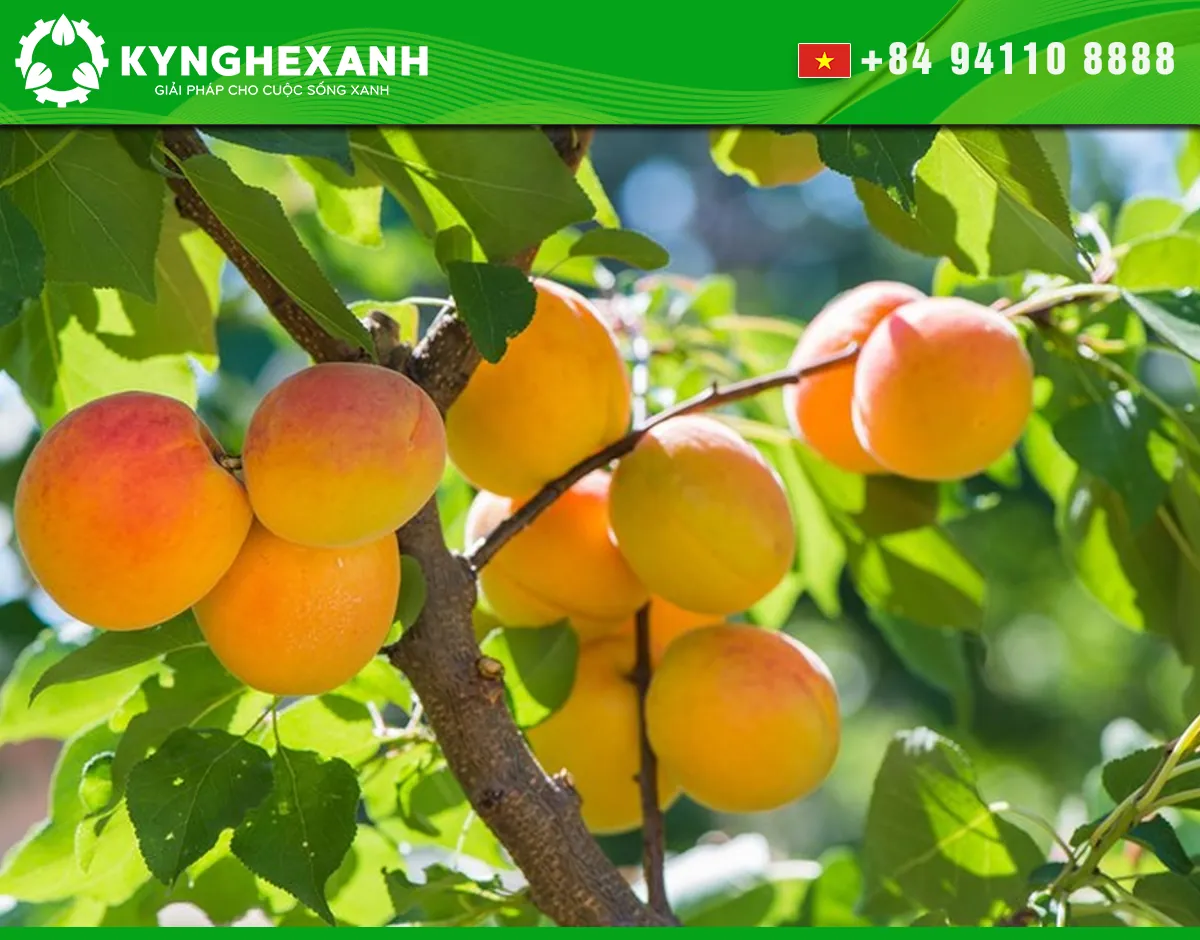
What are the benefits of soft-dried apricots?
According to research findings, apricots have high nutritional value and provide many health benefits, including:
- Providing abundant minerals and vitamins.
- Protecting eyesight from damage caused by free radicals.
- Supporting the digestive system and improving intestinal health.
- Stabilizing blood pressure.
- Supporting diabetes treatment.
- Protecting liver function from the effects of free radicals and age-related degeneration.
- Helping improve respiratory conditions.
- Helping prevent and treat anemia.
Methods for producing soft-dried apricots
Apricots have a sweet-tart flavor and distinctive aroma. They can be eaten fresh or processed into many other nutritious foods, such as apricot juice, cakes, fermented beverages, and soft-dried apricots.
Because apricots contain many vitamins and minerals, their color and nutritional content can be easily affected during drying. To produce high-quality soft-dried apricots, it is therefore necessary to select the most suitable method from today’s drying technologies, such as heat drying and cold drying.
- Traditional drying method:
When people think of drying food, they often first think of the traditional method of drying it directly in the sun. However, soft-dried apricots are unlikely to achieve high quality with this approach. High drying temperatures can alter their nutrients, while the product can easily collect dust or attract insects. The method also depends heavily on unpredictable sunny or rainy weather, leaving apricots vulnerable to mold if they are not dried completely.
- Heat-drying method:
Heat drying dries products at high temperatures. It helps products dry quickly, but it is unsuitable for dried fruit because high heat can change the color and alter or remove nutrients during drying.
- Cold-drying method:
To produce apricots without losing their nutritional content and to help preserve the product for a long time, producers choose cold drying instead of hot drying. This method helps the apricots retain their color and natural qualities after drying.
Cold drying is preferred not only for producing soft-dried apricots but also for many other dried-fruit processes, including soft-dried bananas, soft-dried plums, cold-dried mangoes, and cold-dried guavas. The low temperature of 20–50°C does not change the properties or internal structure of the product.
Soft-dried apricot production process using a SUNSAY cold dryer
Soft-dried apricots are processed through the following basic steps:
Step 1: select apricots for soft drying
To ensure that soft-dried apricots meet requirements for texture, color, and nutritional value, selecting the raw material is the leading factor that determines product quality.
When buying apricots, select round, smooth fruit with an even reddish blush or deep yellow color. Avoid soft, mushy, or rotten fruit.
Apricots are now widely grown to meet consumer demand and supply soft-dried apricot production. However, to ensure product quality, you must select clean raw materials that were not treated with excessive pesticides or growth stimulants during cultivation and care.
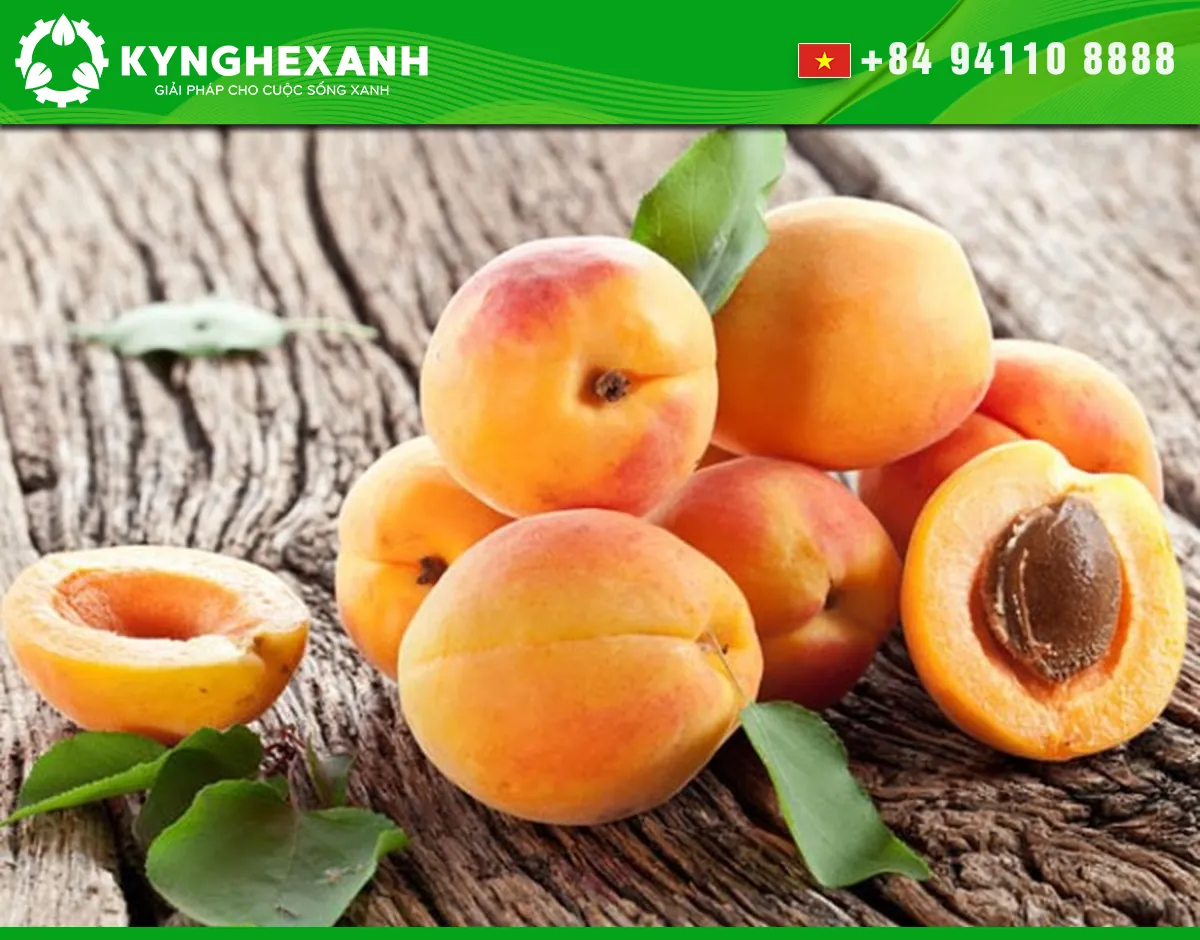
During selection, choose reliable fresh apricots that are not damaged, pest-infested, diseased, wilted, or waterlogged, as these conditions can affect the quality of the finished soft-dried apricots.
Step 2: wash the apricots
After harvest, apricots may still carry soil, sand, dust, and other debris. Before preparing them for soft drying, wash the apricots with clean water to completely remove soil, sand, and microorganisms attached to their surface. This helps ensure the best possible food hygiene and safety for the finished soft-dried apricots.
For this stage, you can invest in a specialized washing machine to clean the apricots thoroughly, increase washing capacity, and save time and labor. Wash them carefully so that the fresh apricots are not bruised or damaged, which would reduce the amount of usable raw material.
Step 3: peel and slice the apricots
After washing the apricots, peel them. Use a knife to cut each apricot lengthwise along its natural groove, then separate the halves and remove the pit.
Step 4: blanch the apricots
Blanching inactivates enzymes in the apricots, helping maintain the product’s color and quality. This step can be completed in either of two ways:
- Method 1: Blanch the apricot slices in hot water at 75°C for 30 seconds.
- Method 2: Steam them for 2 minutes.
Select a suitable blanching or steaming method according to the production facility’s conditions. Do not blanch the apricots for too long, as this will cook them and make them soft and mushy.
Step 5: soft-dry the apricots in a SUNSAY cold dryer
After blanching, arrange the apricot slices on drying trays and place them in the SUNSAY cold dryer. Do not arrange the slices too densely, as this can obstruct heat exchange, moisture removal, and airflow. Proper spacing helps the soft-dried apricots dry as evenly and quickly as possible.
The apricot drying temperature on a SUNSAY cold dryer can be adjusted from 20 to 65°C. The cold-drying time depends on the technical processing requirements for the soft-dried apricots. Drying time and moisture reduction are carefully controlled through the SUNSAY cold dryer’s intelligent control system. This helps the dried apricots retain their color and nutritional content and meet product quality requirements.
Once the product reaches the required level of dryness, remove the soft-dried apricots, allow them to cool, and proceed to the next stage.
Step 6: package and label the apricots
Soft-dried apricots are usually packaged in small packs of 100–250 g, or according to supplier requirements, for market distribution. Export products are often packaged in larger sizes and weights, ranging from 10 to 20 kg per unit. A specialized packaging machine can be used for soft-dried apricots. Before the product reaches the market, apply your brand label or a label made according to a partner’s requirements.
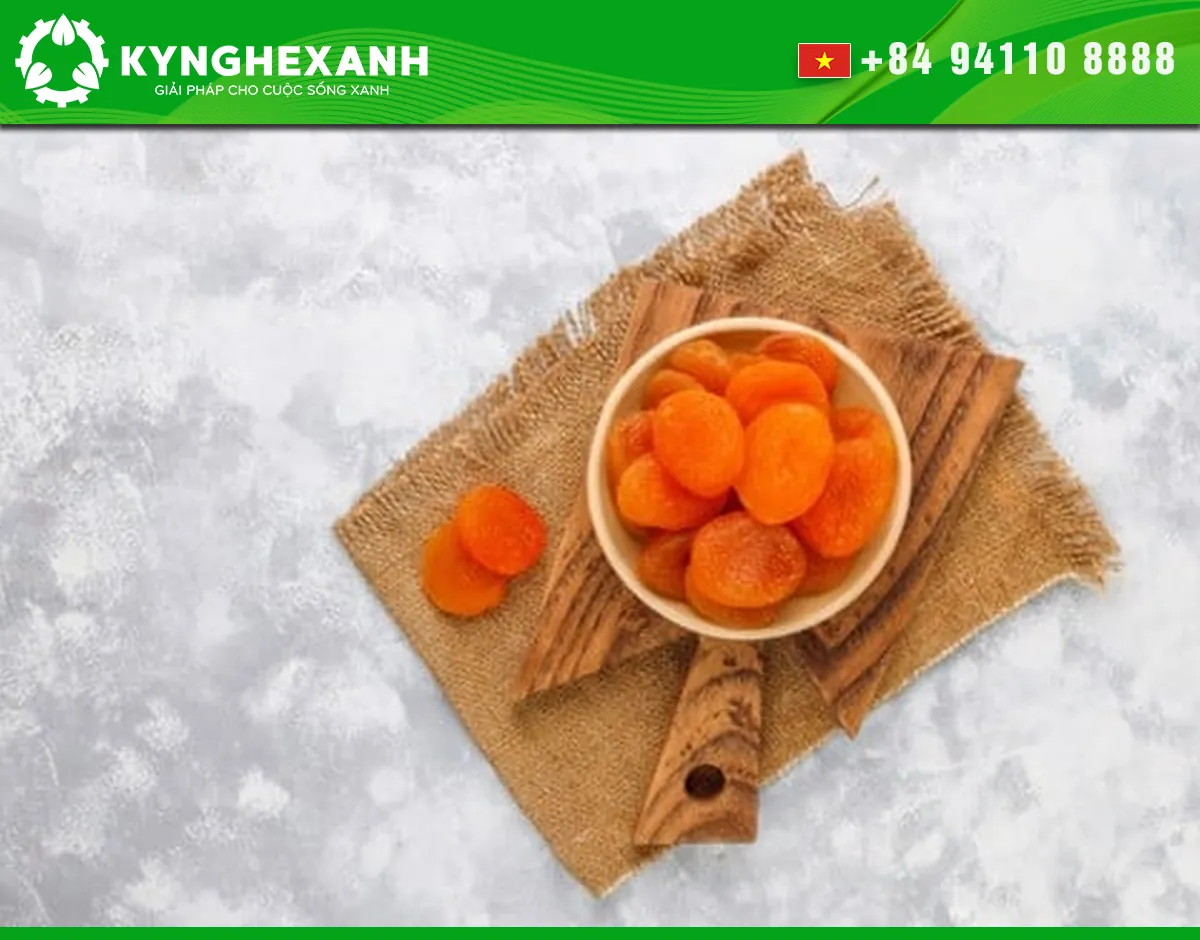
For soft-dried apricots produced with a SUNSAY cold dryer, you can use the phrase cold-dried apricots to distinguish them from products made by traditional hot-drying methods. This helps customers recognize the product’s quality and enhances the sales value of your brand.
Advantages of soft-dried apricots made with a SUNSAY dryer
Soft-dried apricots made with a SUNSAY cold dryer have the following outstanding advantages:
- The soft-dried apricots retain an attractive natural green color and their distinctive, delicious flavor.
- The product can be easily ground into a fine powder for use in preparing detoxifying foods and beverages.
- The nutritional value remains almost unchanged or changes very little.
- The product has low moisture content, helping extend its storage time.
- The apricots do not need to be turned throughout the drying process.
- The process helps ensure food hygiene and safety for the soft-dried apricots.
SUNSAY cold dryers for producing soft-dried apricots
In addition to flavorful fresh apricots and a suitable production process, the cold dryer is essential to processing soft-dried apricots that meet quality and export requirements. SUNSAY is one of Vietnam’s leading reputable suppliers of equipment and production processes for soft-dried apricots. We are committed to accompanying you from preparation through operation and throughout the factory’s long-term production activities.
To help soft-dried apricots retain their distinctive flavor, attractive color, and good nutritional composition while meeting export requirements, contact SUNSAY Cold Dryers for consultation and support.
How much does a cold dryer cost?
SUNSAY cold dryers are researched and manufactured in Vietnam by engineers with many years of experience in drying technology. SUNSAY’s mission is to increase the value of processing and preserving Vietnam’s post-harvest agricultural products and help address post-processing needs in the fruit industry. SUNSAY cold dryers meet quality and food hygiene and safety standards.
With reasonable pricing, SUNSAY Vietnam believes its cold dryers are worthwhile long-term investments that deliver optimal efficiency.
SUNSAY cold dryers provide a completely new solution that saves time, reduces users’ investment costs, and delivers high economic efficiency.
SUNSAY currently offers cold dryers at prices suited to many production scales, from startup-scale production of 20 kg, to medium-scale production of 200–300 kg, and up to large-scale production of 5 metric tons of various fresh products. The machines provide short drying times, help retain attractive color, consume very little electricity, and operate efficiently.
SUNSAY cold dryer prices
Contact SUNSAY Vietnam to learn about its cold-dryer pricing policy.
Contact SUNSAY about sample drying
SUNSAY offers a sample-drying support program that allows customers to check product quality and evaluate the effectiveness of their investment. Contact SUNSAY for assistance.
SUNSAY Vietnam is always ready to advise and assist with drying methods and ways to preserve food, fruit, agricultural products, and seafood. SUNSAY cold dryers provide a completely new solution that saves time, reduces investment costs, and delivers high economic efficiency. With reasonable pricing, SUNSAY Vietnam believes this equipment is a worthwhile long-term investment that delivers optimal results.
For detailed consultation, contact the hotline at +84 94 110 8888.
Related articles on dried products
Follow and learn more about tips for producing soft-dried apricots through the following articles:
- A simple way to make soft-dried apricots at home.
- Points to keep in mind when processing soft-dried apricots.
- The SUNSAY industrial cold-dryer system.
- A guide to processing cold-dried fish mint powder.
For advice on cold-drying apricots, sample drying, or equipment, contact kynghexanh.com.vn or call +84 94 110 8888.