


Ice & Cold Chain
Monthly ice cube cold storage operating costs: plan the full budget
The monthly ice cube cold storage operating costs are an important consideration before investing in an ice production plant or expanding an existing facility. Many investors focus on equipment prices, workshop construction, or ice machine capacity without fully estimating the ongoing cost of running a cold store. As a result, sales revenue may grow while actual profit falls short of expectations.
A cold store does more than hold ice. It helps maintain finished-ice quality, reduce losses, provide stock during peak demand, and support the ICE COOL ice production system. For a sustainable business, monthly cold-storage costs should be calculated from the outset rather than estimated by intuition.
MỤC LỤC
Why calculate monthly ice cube cold storage operating costs carefully?
When ICE COOL ice machines produce a steady daily volume, cold storage allows the business to build inventory at suitable times. It helps keep ice firm and slower to melt, making distribution to dealers, restaurants, beverage chains, and other high-demand customers more convenient.
However, operating a cold store involves recurring electricity, maintenance, staffing, equipment wear, technical inspection, and cleaning costs. Without understanding these expenses, investors can set selling prices incorrectly, quote inaccurately to dealers, or lose track of the break-even point.
For a facility combining ICE COOL cold storage and ice machines, estimating each cost helps determine how much stock to hold, when to run the machines, how many staff members are needed, and what inventory level is reasonable. The aim is efficient operation, not simply having a room in which to store ice.
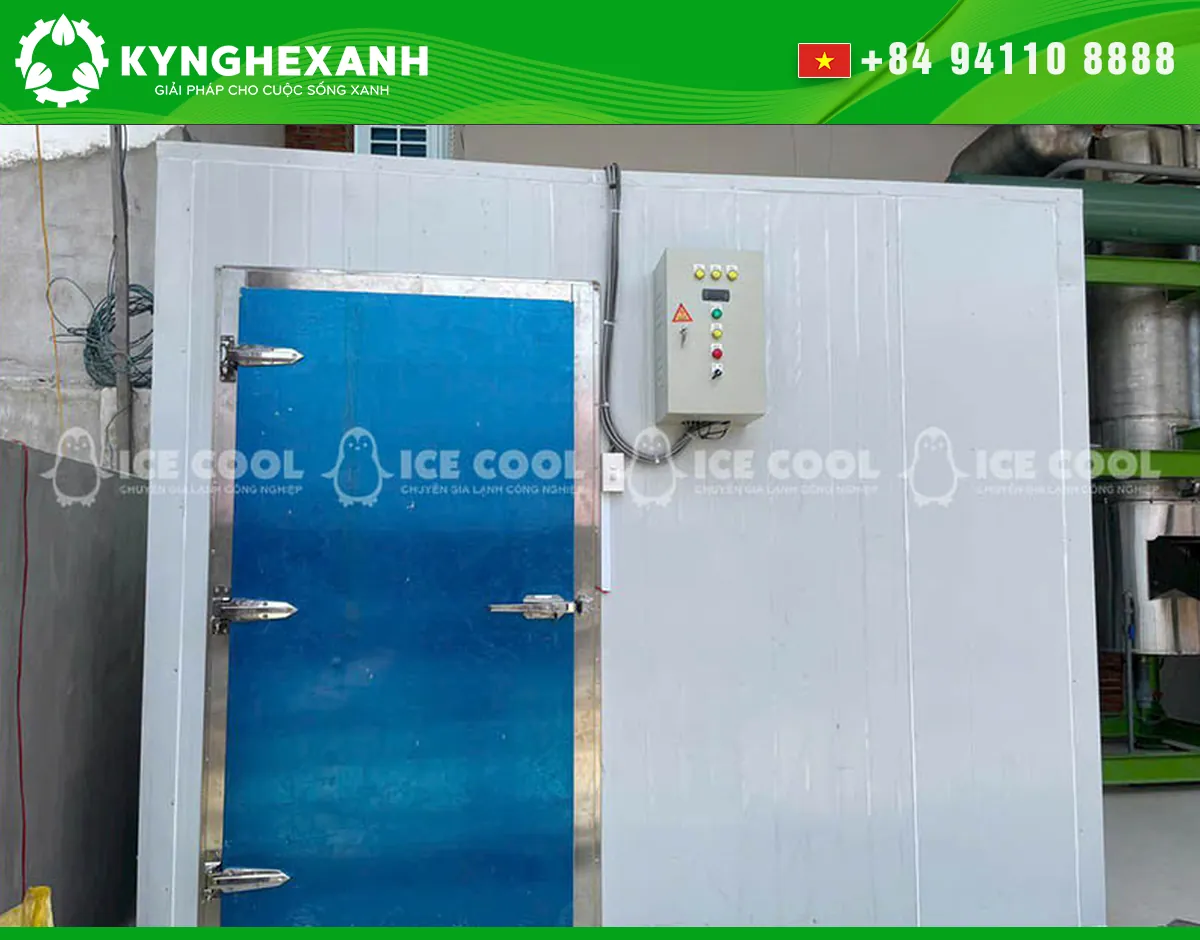
What do monthly cold-storage operating costs include?
Separate operating expenses into clear groups instead of treating them as one figure. This makes costs easier to control and adjust when market conditions change.
Electricity for the refrigeration system
Electricity is usually the largest expense. The cold store must maintain a stable temperature, so the compressor, evaporator fans, control panel, and auxiliary equipment operate in recurring cycles. A large store, frequent ice movements, or repeated door openings can significantly increase consumption.
An ICE COOL cold store designed around actual capacity needs can help optimize power use. Even with an efficient system, the investor still needs to budget for monthly electricity to manage cash flow.
Regular maintenance and cleaning
Stable operation requires evaporator cleaning, refrigerant checks, insulation inspections, scheduled evaporator defrosting, and checks of electrical connections. Neglected maintenance can gradually reduce efficiency, increase power consumption, and raise the risk of breakdowns.
Individual maintenance visits may not cost much, but their monthly and annual total is an important part of the operating budget.
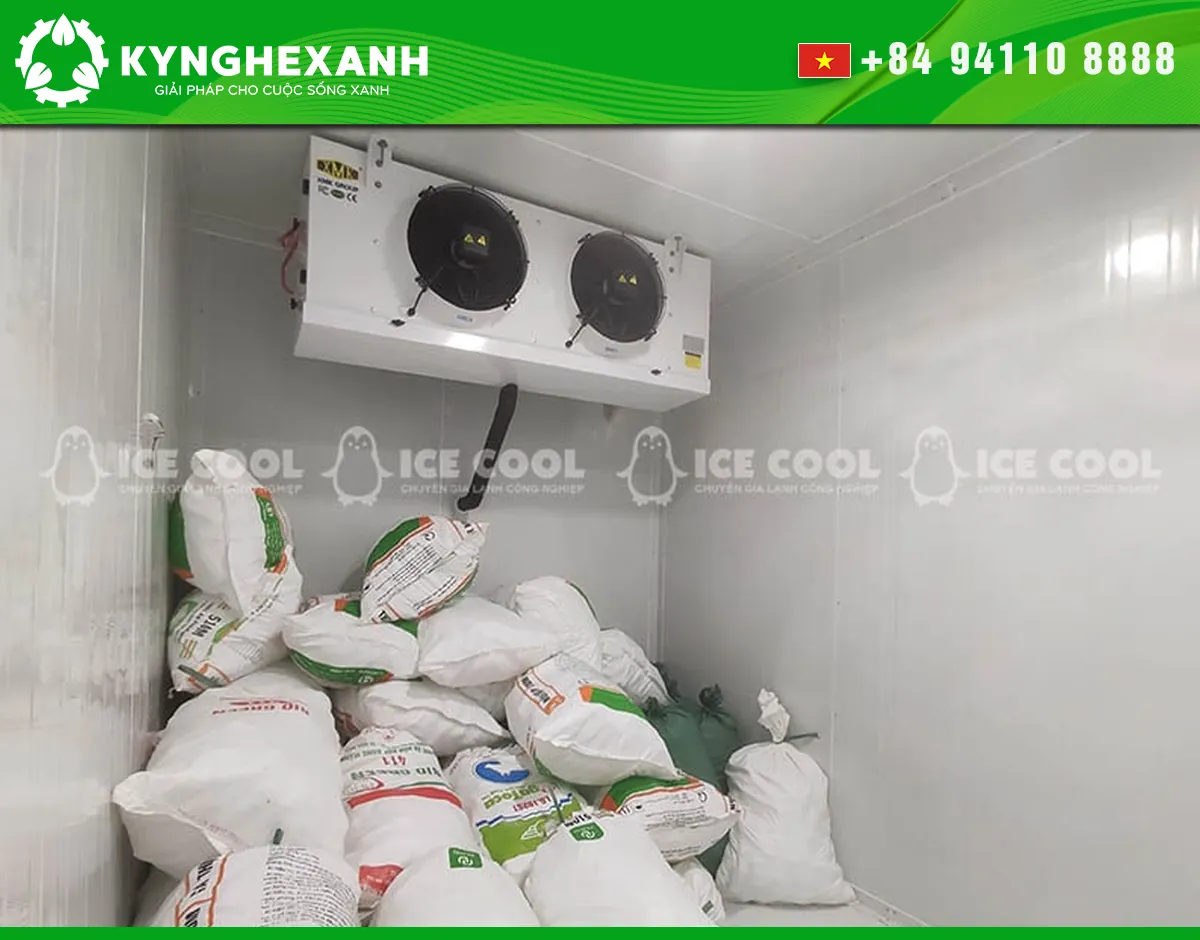
Staffing for ice production and storage
A completed cold store does not operate entirely without people. Receiving ice, organizing inventory, dispatching orders, checking temperature and frost buildup, and cleaning the storage area all require responsible staff. Around-the-clock production or frequent deliveries makes appropriate staffing especially important.
Good operation depends on clear procedures as well as equipment. Wages for the people involved must therefore be included in monthly cold-storage costs.
Equipment wear and replacement supplies
Doors, door seals, fans, lights, temperature sensors, contactors, relays, electrical supplies, and other components have limited service lives. Over time, they wear out and need replacement. Without a reserve for these expenses, an unexpected failure can disrupt the budget.
Cleaning and quality control
Ice is used directly in food and beverages, so the storage area should be clean and dry, with cross-contamination limited. Cleaning water, tools, protective equipment, and quality-control procedures must also be included in the total.
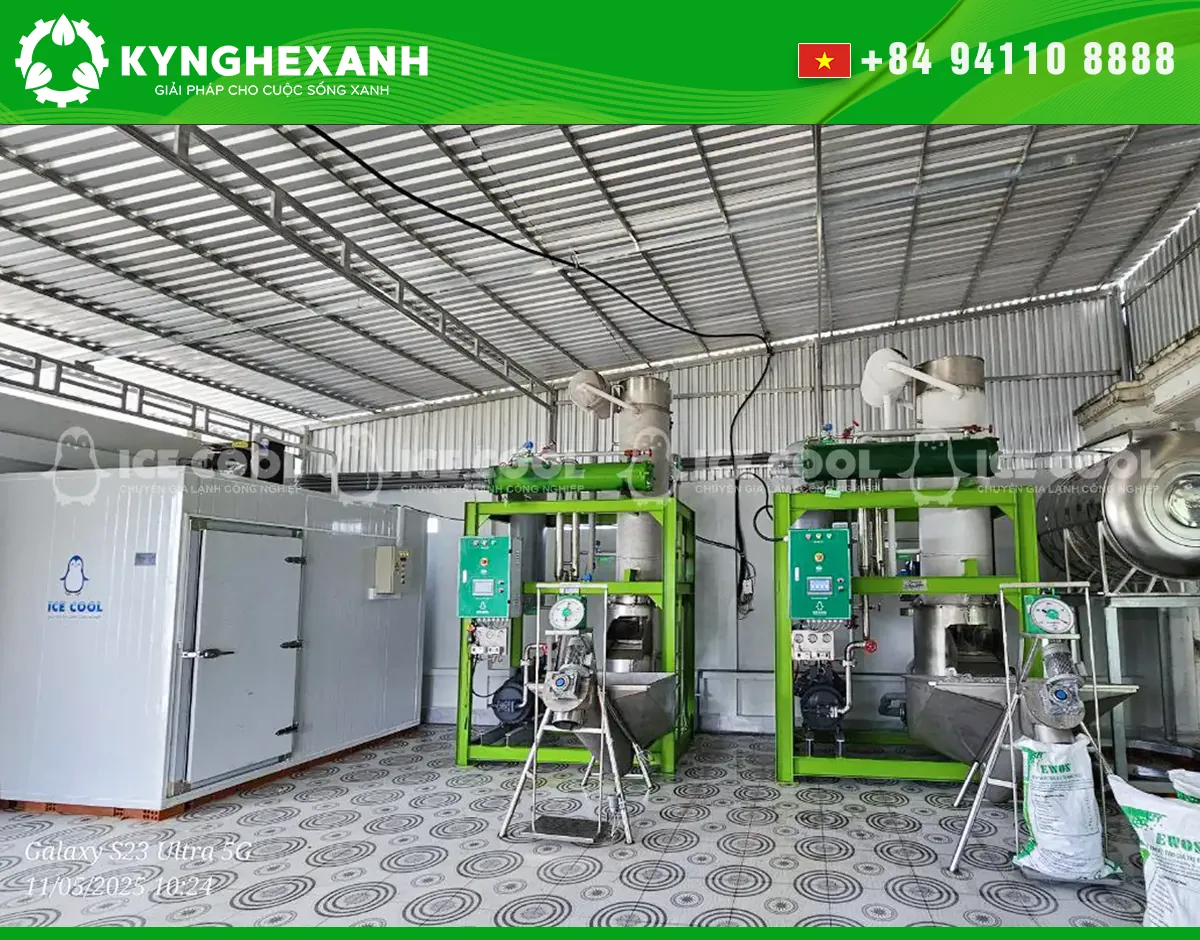
5 factors that directly affect monthly cold-storage costs
- Power consumed by compressors, evaporator fans, and controls.
- Door-opening frequency and the daily quantity of ice received and dispatched.
- Scheduled maintenance and unexpected repairs.
- Wages for storage staff and ice handling.
- Equipment wear, replacement supplies, and cold-store cleaning.
These factors are important when planning an ice production facility because they account for many of the variations in monthly cold-storage operating costs.
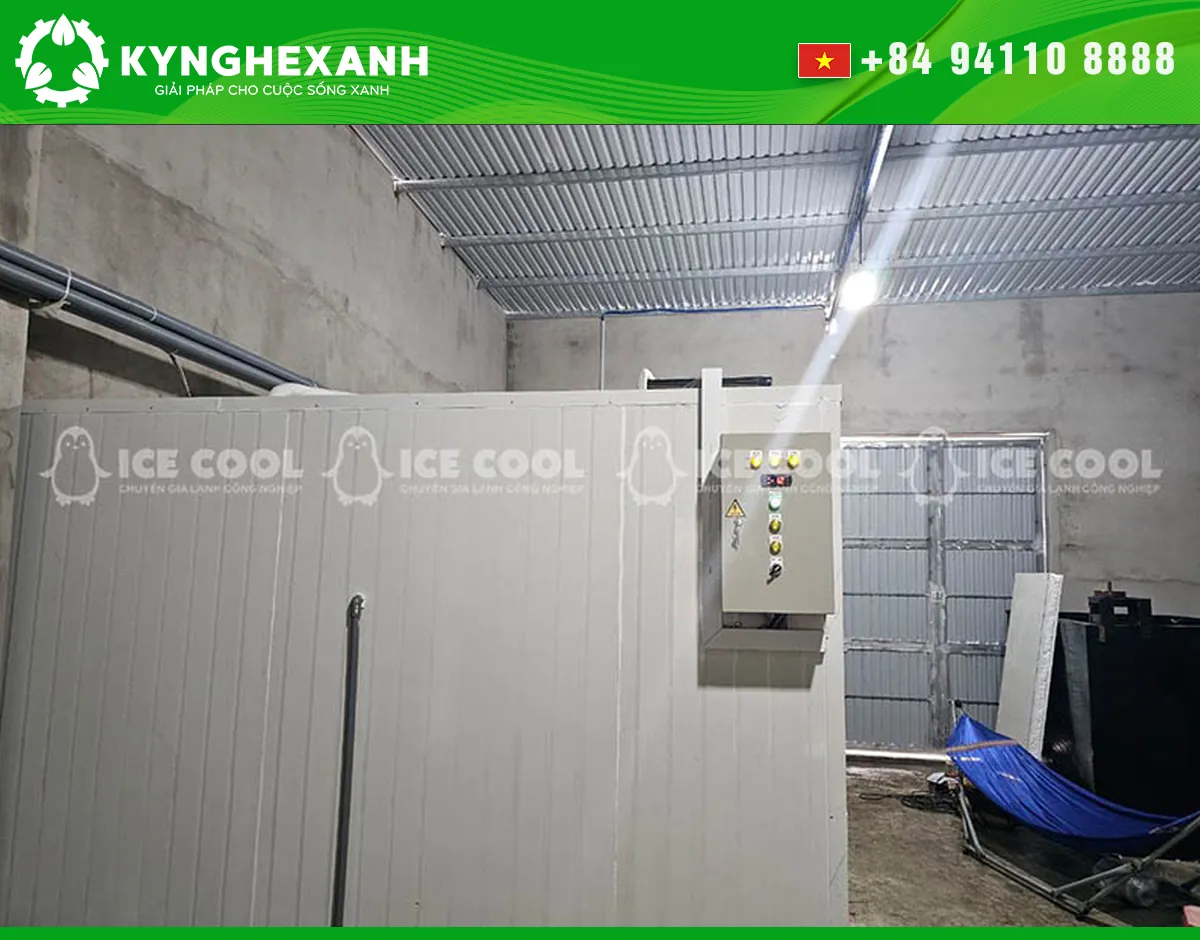
How ICE COOL cold storage supports cost optimization
ICE COOL cold storage is designed to work with ICE COOL ice production systems. Considering the plant as a whole—from the ice machine and water filtration to storage—makes it easier to evaluate operating efficiency.
The value is not limited to keeping ice cold. Storage also gives investors more control over production and delivery schedules. Ice can be produced when electricity costs are more favorable and stored for dispatch during peak demand. This reduces pressure for immediate production, limits shortages, and helps maintain ice firmness during delivery.
Stable storage operation can also reduce melting losses and inconsistent quality while making staff procedures easier to standardize. These practical benefits often become clearer after a facility begins operating.
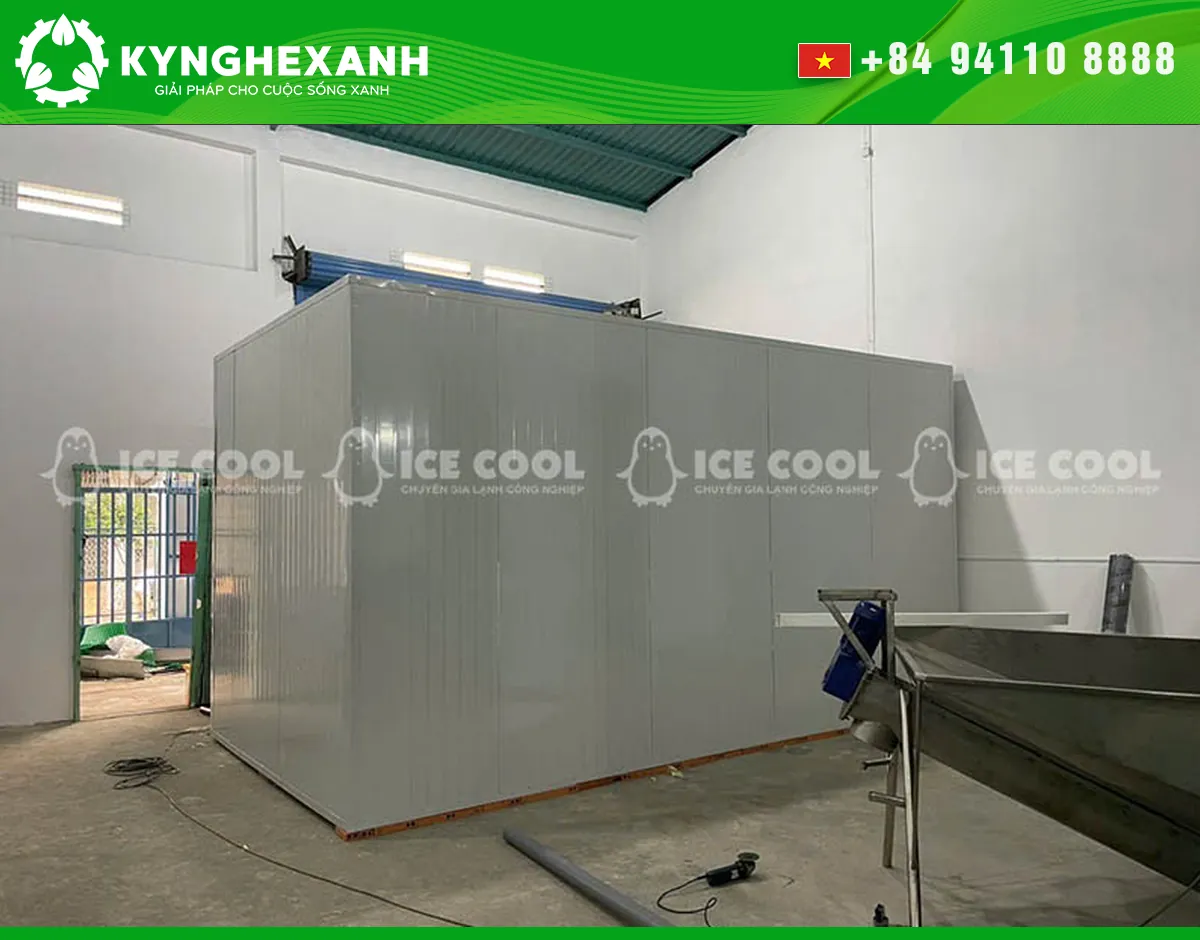
How can ice machines and cold storage work together more effectively?
A production system should not be considered as separate pieces of equipment. The ICE COOL ice machine provides consistent output, while the cold store preserves that product until delivery. Matching the two helps the investor control productivity, quality, and cash flow.
For example, if deliveries are concentrated in the early morning and evening, producing ice in advance and storing it can reduce the pressure to run machines continuously during peak periods. A stable operating plan also makes monthly storage costs easier to estimate.
Cold-storage operating costs are not incidental expenses. They are an important part of the economics of an ice business. Calculating them properly supports reasonable pricing, better profit control, and a lower risk of increasing revenue without achieving the expected cash return.
Coordinating ICE COOL cold storage with its ice machines can improve preservation, ice quality, and operating organization. Investors should treat the cold store as an important part of the production line, not merely as a space for holding goods.
Understanding monthly expenses helps investors make better decisions about storage capacity, operating procedures, and long-term development. It provides a basis for reducing risk and supporting future growth.
Request advice on ice plant design and equipment
ICE COOL offers consultation from site assessment through installation, providing ice machines and integrated solutions intended to improve investment costs, operating performance, and finished-ice quality. Equipment details can be discussed during consultation.
The source also covers ice cube machine design as part of the integrated production solution.
For detailed advice, visit kynghexanh.com.vn or call +84 94 110 8888.